
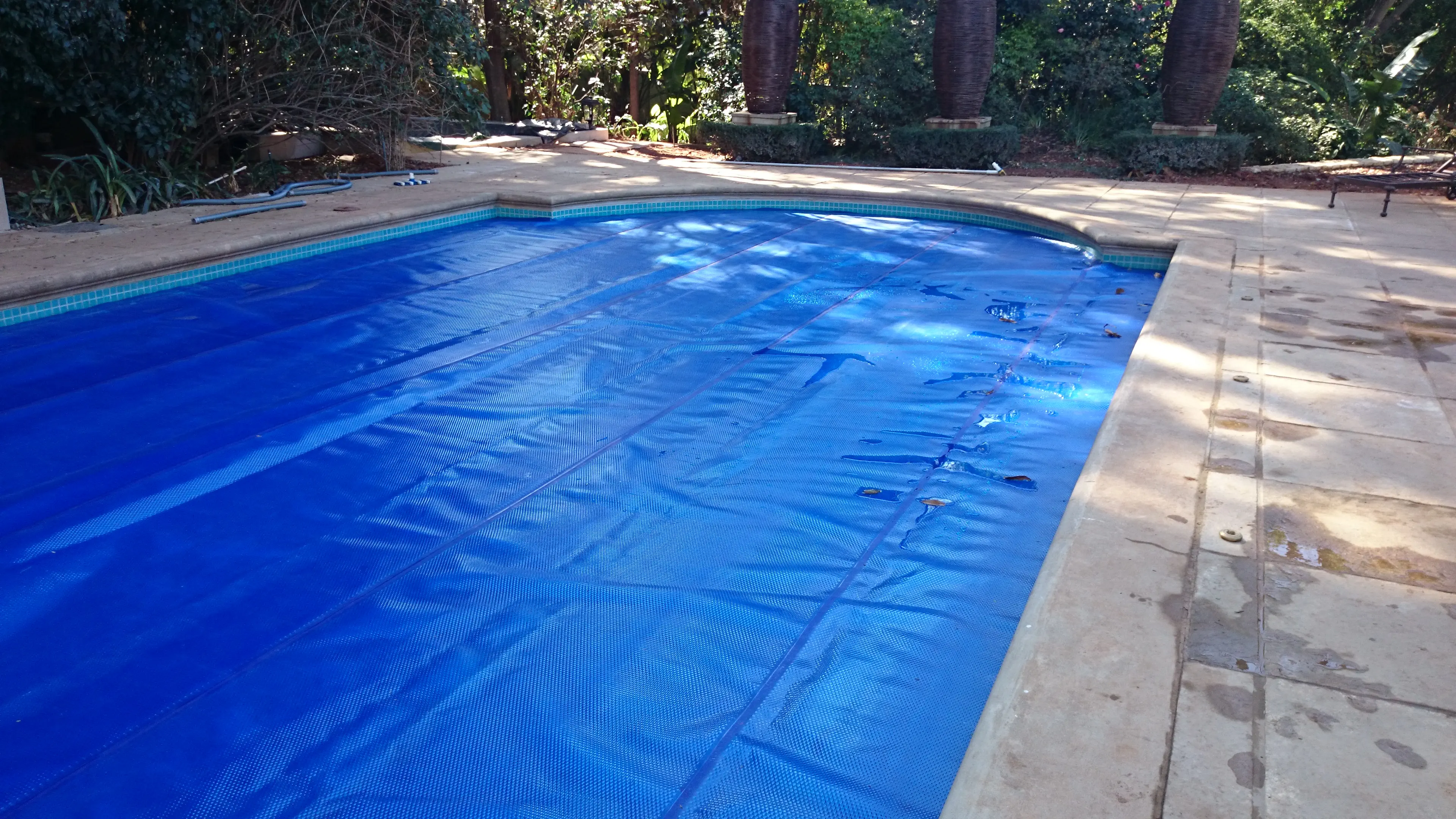
South Africa's winters are mild by global standards, but that doesn't mean your pool can fend for itself. Uncovered pools during winter lose heat rapidly, consume 40–60% more chemicals, and develop algae blooms that cost thousands to remediate come spring. The good news? A quality pool cover eliminates almost all of these problems.
After 14 years of winterising pools across Gauteng, the Western Cape, and KwaZulu-Natal, we've learned that one-size-fits-all advice doesn't work. Gauteng frost is a completely different challenge from Cape Town's winter deluge or Durban's persistent humidity. This guide provides region-specific advice based on real installations and real results.
Why Your Pool Needs a Cover in Winter
Without a Cover
- • Algae growth from debris and stagnant conditions
- • Chemical costs R8,000–R15,000 over winter
- • Water temperature drops to ambient (10–15°C)
- • Spring start-up costs R3,000–R5,000
- • Equipment damage from frost exposure (Gauteng)
- • Surface staining from leaf tannins
With a Cover
- • Debris blocked — clean water maintained all winter
- • Chemical costs reduced to R2,000–R4,000
- • Water stays 6–8°C warmer than ambient
- • Spring start-up: quick balance and swim
- • Equipment protected from frost and UV
- • No staining, no algae, no green pool shock
Regional Winter Care Guide
Gauteng (Highveld)
Cover pool every evening from April — overnight temps can drop 20°C
Thermal covers essential to prevent heat loss on the 1,700m plateau
Reduce pump runtime to 4–6 hours (6am–12pm avoids frost damage)
Check for frost damage on exposed plumbing monthly
Keep chemical levels slightly elevated to prevent algae during sunny winter days
Western Cape
Solid covers preferred over mesh — prevents rain diluting pool chemistry
Ensure cover drainage system works before winter rains start (May)
Wind-rated anchor systems critical for Cape storms
Test water chemistry weekly during rainy season (dilution risk)
Consider automated covers for quick deployment before storm fronts
KwaZulu-Natal (Coast)
Mild winters still require covers — humidity promotes algae year-round
UV-stabilised covers essential (UV index remains high even in winter)
Marine-grade materials for coastal properties within 5 km of ocean
Lighter thermal blankets suitable (less insulation needed vs Gauteng)
Continue regular chlorination — warm winters don't kill algae spores
Best Pool Covers for Winter
| Cover Type | Heat Retention | Debris Block | Best For |
|---|---|---|---|
| Thermal Blanket | ⭐⭐⭐⭐⭐ | ⭐⭐⭐ | Budget-conscious, heat retention focus |
| Automated Cover | ⭐⭐⭐⭐⭐ | ⭐⭐⭐⭐⭐ | Convenience + full protection |
| Safety Cover | ⭐⭐⭐ | ⭐⭐⭐⭐⭐ | Families, security priority |
| Solar Cover | ⭐⭐⭐⭐ | ⭐⭐⭐ | Solar heating supplement |
| PoolDeck Slatted | ⭐⭐⭐⭐ | ⭐⭐⭐⭐⭐ | Premium aesthetics + protection |
Monthly Winter Maintenance Checklist
April — Transition
- Shock-treat pool and balance chemistry
- Install or service pool cover
- Reduce pump to 6 hours/day
- Clean and store summer accessories
May–July — Deep Winter
- Test water chemistry fortnightly
- Clear cover of debris weekly
- Check cover tension and anchors monthly
- Inspect equipment for frost damage (Gauteng)
August — Pre-Spring
- Full water chemistry test
- Service pool cover mechanisms
- Increase pump to 8 hours/day
- Plan spring start-up date
September — Spring Start
- Remove/retract cover and inspect pool
- Shock-treat and rebalance
- Service filter and pump
- Resume full summer maintenance routine
Winter Pool Cover FAQs
Should I cover my pool in winter in South Africa?
Yes. Even in South Africa's mild winters, an uncovered pool loses heat rapidly, consumes 40–60% more chemicals due to UV degradation and debris contamination, and risks algae blooms. A pool cover reduces winter chemical costs by R5,000–R8,000 per season while keeping water clean for a quick spring start-up.
Can I swim in winter with a pool cover in Gauteng?
With a thermal or solar cover, Gauteng pool owners can extend swimming into May and restart in September. Thermal covers maintain water 6–8°C above ambient. Combined with a heat pump, comfortable swimming (26–28°C) is achievable even in July.
How do I winterise my pool in South Africa?
Balance chemistry (pH 7.2–7.6, alkalinity 80–120 ppm), shock-treat, reduce pump to 4–6 hours daily, install a cover, and check chemistry fortnightly. Unlike Northern Hemisphere pools, SA pools should NOT be drained or have pipes blown out — our winters are too mild for pipe-freezing.
What is the best pool cover for winter?
Thermal blankets offer the best winter value — retaining heat, blocking UV, reducing evaporation by 98%, and preventing debris contamination. For families needing safety too, an automated cover provides thermal insulation and SANS 10134 compliance in one system.
Prepare Your Pool for Winter
Get a free consultation on the best winter pool cover for your region and pool type. NSPI-accredited installations across Gauteng, Western Cape, and KZN.
Willem de Wet
Founder, Designer Pool Covers • NSPI Accredited • SABS SANS 10134
14+ years winterising pools across South Africa. This guide reflects real-world data from 2,500+ installations.
View Profile